.png.webp)



.png)
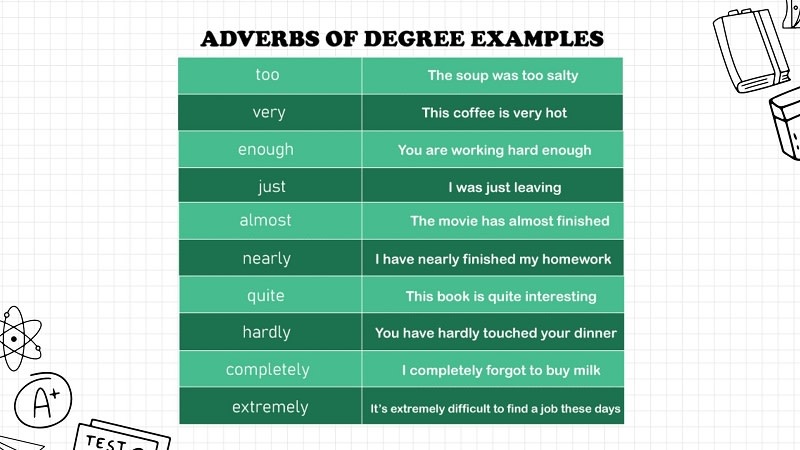
คำวิเศษณ์บอกระดับคืออะไร? มันปรากฏอยู่ที่ไหนในประโยคและใช้อย่างไร? มาสำรวจทุกสิ่งที่คุณจำเป็นต้องรู้เกี่ยวกับคำวิเศษณ์บอกระดับไปพร้อมกับ Monkey รวมถึงความหมายตำแหน่งและโครงสร้างทางไวยากรณ์ของมัน
คำวิเศษณ์บอกระดับคืออะไร?
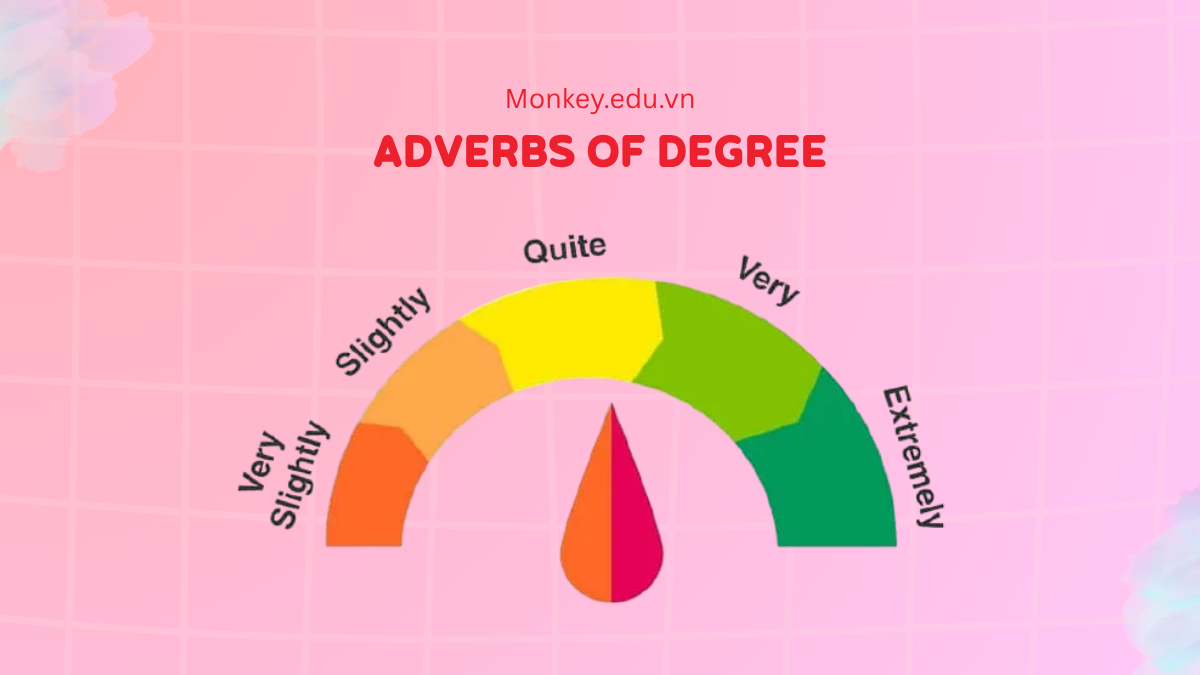
คำวิเศษณ์บอกระดับเป็นคำที่ใช้ในการขยายความหมายของคำกริยา คำคุณศัพท์ หรือคำวิเศษณ์อื่น ๆ โดยช่วยอธิบายระดับความเข้มข้นหรือขอบเขตของการกระทำ คุณลักษณะ หรือคำวิเศษณ์อื่นในประโยค คำเหล่านี้มีความสำคัญในการสื่อถึงการเน้นอารมณ์และความละเอียดอ่อนของความหมาย
ตัวอย่าง:
-
It is extremely cold this time of the year.
-
I’m very optimistic about our chances of success.
การจำแนกคำวิเศษณ์บอกระดับ
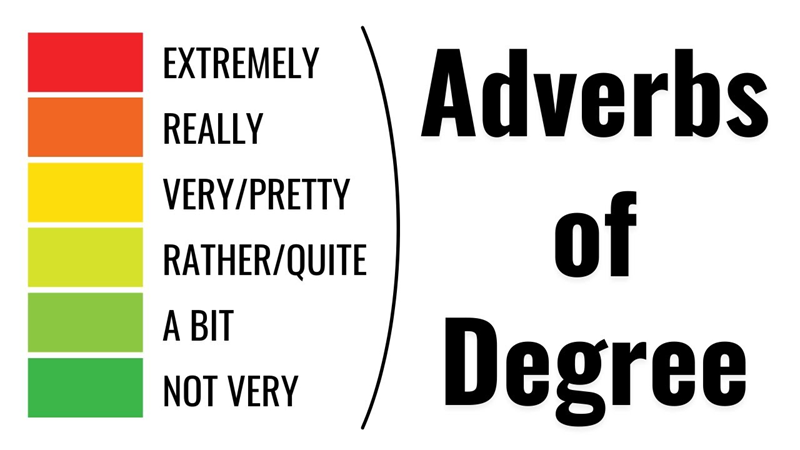
คำวิเศษณ์บอกระดับสามารถแบ่งได้ตามระดับความเข้มข้นที่แสดงออกมา:
-
ระดับความเข้มข้นสูง: completely, absolutely, really, very, totally, thoroughly, entirely
-
ระดับปานกลาง: pretty, quite, rather, fairly
-
ระดับอ่อน: slightly, hardly, a bit, a little
ตำแหน่งของคำวิเศษณ์บอกระดับในประโยค
1. วางไว้หน้าคำคุณศัพท์หรือคำวิเศษณ์
โดยทั่วไปคำวิเศษณ์บอกระดับจะวางไว้ข้างหน้าคำคุณศัพท์หรือคำวิเศษณ์ที่มันขยายความหมาย
ตัวอย่าง:
-
She comes from a very artistic family.
-
She’s extremely competent and industrious.
2. ไม่ใช้ร่วมกับประโยคปฏิเสธ
คำวิเศษณ์บางคำมีความหมายเป็นเชิงปฏิเสธอยู่แล้ว จึงไม่ควรใช้ในโครงสร้างประโยคปฏิเสธ
ตัวอย่าง:
-
We’ve scarcely time for sentimentality.
-
Health is not at all recognized until sickness arrives.
3. “Enough” - ความยืดหยุ่นของตำแหน่ง
คำวิเศษณ์ “enough” สามารถวางหลังคำคุณศัพท์หรือคำวิเศษณ์ และสามารถวางหน้าคำนามได้เช่นกัน
ตัวอย่าง:
-
He is rich enough who has true friends.
-
He mustered up enough courage to attack the difficulty.

วิธีการใช้คำวิเศษณ์บอกระดับที่พบบ่อย
1. Very, Too
ตำแหน่ง: วางไว้หน้าคำคุณศัพท์หรือคำวิเศษณ์
หน้าที่: เพิ่มการเน้นที่ชัดเจนมากขึ้น
ตัวอย่าง:
-
They’ve got a very limited view of life.
-
It is never too late to learn.
2. Enough
โครงสร้าง:
Adjective/adverb + enough + to V
Enough + noun
หน้าที่: แสดงถึงความเพียงพอหรือความเหมาะสม
ตัวอย่าง:
-
One cloud is enough to eclipse all the sun.
-
I can hardly thank you enough for your kindness.
3. Quite
ตำแหน่ง: วางไว้หน้าคำคุณศัพท์ คำวิเศษณ์ หรือคำนามนับได้/นับไม่ได้
การใช้:
Quite a/an + noun
Quite some + uncountable noun
Quite a/an + adjective + noun
ตัวอย่าง:
-
A flower has quite a complicated structure.
-
It was quite some time before they made progress.
-
The museum has quite a fascinating art collection.
4. Fairly
ตำแหน่ง: วางไว้หน้าคำคุณศัพท์หรือคำวิเศษณ์
หน้าที่: แสดงระดับปานกลาง
ตัวอย่าง: She’s fairly responsive to new ideas.
5. Rather
ตำแหน่ง: วางไว้หน้าคำคุณศัพท์หรือคำวิเศษณ์
หน้าที่: แสดงความชอบหรือความเข้มข้นที่เกินคาด
ตัวอย่าง: I would rather have people laugh at my frugality than cry over my extravagance.
6. Much, A Lot, Far
ตำแหน่ง: วางไว้หน้ารูปเปรียบเทียบหรือขั้นสูงสุด
หน้าที่: เพิ่มน้ำหนักให้การเปรียบเทียบ
ตัวอย่าง:
-
The pay is much better in my new job.
-
This car is far better than the old one.
7. Somewhat, A Little, A Bit
ตำแหน่ง: วางไว้หน้าคำคุณศัพท์หรือคำวิเศษณ์
หน้าที่: แสดงระดับความเข้มข้นที่อ่อนหรือเน้นเล็กน้อย
ตัวอย่าง:
-
My mother’s a bit of an eccentric.
-
The price is somewhat higher than expected.
8. Barely, Hardly
ตำแหน่ง: วางไว้หน้าคำกริยา
หน้าที่: เพิ่มการเน้นเชิงปฏิเสธ มักใช้ร่วมกับ “even” หรือ “any”
ตัวอย่าง:
-
He could barely read or write.
-
I can hardly imagine such a moment.
การกลับลำดับประโยคกับคำวิเศษณ์บอกระดับ
ในโครงสร้างทางการหรือเมื่อเน้นย้ำความหมาย คำวิเศษณ์บอกระดับสามารถวางไว้ต้นประโยคได้ ตามด้วยการกลับลำดับประโยค (helping verb + subject + main verb).
โครงสร้าง: Adverb of degree + auxiliary verb + subject + verb
ตัวอย่าง:
-
Rarely do they have time to relax.
-
Not only does she sing well, but she also plays musical instruments.
แบบฝึกหัด - คำวิเศษณ์บอกระดับ
แบบฝึกหัดที่ 1: เขียนประโยคใหม่โดยใช้การกลับลำดับ
-
I never want to see you again. -> Never do I want to see you again.
-
She rarely goes out at night. -> Rarely does she go out at night.
-
He not only studies law, but he also works part-time. -> Not only does he study law, but he also works part-time.
-
He scarcely spoke during the meeting. -> Scarcely did he speak during the meeting.
-
She seldom wears dresses. -> Seldom does she wear dresses.
แบบฝึกหัดที่ 2: เติมคำวิเศษณ์บอกระดับที่เหมาะสมลงในช่องว่าง
-
The ABC movie was __________ boring that I fell asleep. (so / much / hardly) -> so
-
She speaks English __________ fluently that you can barely notice her accent. (quite / ever / little) -> quite
-
The concert was __________ loud that my ears were ringing afterward. (not at all / so / hardly) -> so
-
I’m __________ familiar with this area, as I used to live here. (more / much / quite) -> quite
-
The children were __________ scared when they heard the loud noise. (hardly / very / ever) -> very
-
The weather is __________ hot today, so let’s go to the beach. (much / extremely / not at all) -> extremely
-
She sang the song __________ well that the audience gave her a standing ovation. (so / nice / hardly) -> so
-
I was __________ tired after working late into the night. (so / never / not at all) -> so
-
The cake was __________ sweet for my taste, but others loved it. (not at all / rather / hard) -> rather
-
The baby is __________ quiet, she hardly ever cries. (hard / absolutely / far too) -> absolutely
Monkey Junior - เส้นทางการเรียนรู้ภาษาอังกฤษที่ครอบคลุมสำหรับเด็ก
Monkey Junior เป็นแอปพลิเคชันสอนภาษาอังกฤษสำหรับเด็กอายุ 0-11 ปี ที่ออกแบบให้เรียนรู้คำศัพท์และไวยากรณ์ได้อย่างเป็นธรรมชาติผ่านเกมและวิดีโอสุดสนุก เด็กๆ จะได้ฝึกใช้คำวิเศษณ์บอกระดับ ฟัง พูด อ่าน เขียน อย่างครบถ้วนในทุกบทเรียน
คอร์สของ Monkey Junior พัฒนาโดยผู้เชี่ยวชาญด้านภาษาอังกฤษระดับสากล ช่วยให้เด็กเข้าใจการใช้คำในบริบทจริงและจดจำได้ยาวนาน เด็กจะสามารถสื่อสารภาษาอังกฤษได้อย่างมั่นใจและถูกต้องตามหลักภาษา

การเข้าใจและใช้งานคำวิเศษณ์บอกระดับอย่างถูกต้องจะช่วยให้การสื่อสารภาษาอังกฤษของคุณเป็นธรรมชาติมากขึ้น ทั้งในการพูดและการเขียน ไม่ว่าจะเป็นการแสดงความเข้มข้นของอารมณ์ การเปรียบเทียบ หรือการเน้นย้ำความหมาย หากคุณฝึกใช้คำวิเศษณ์บอกระดับในประโยคต่าง ๆ อย่างสม่ำเสมอ คุณจะพบว่าทักษะภาษาอังกฤษของคุณจะพัฒนาอย่างเห็นได้ชัด และช่วยให้การใช้ภาษาแม่นยำและมีพลังมากขึ้นในทุกสถานการณ์.