.png.webp)



.png)
รูป infinitive คือรูปพื้นฐานของคำกริยาในภาษาอังกฤษที่ไม่เปลี่ยนตามกาล ในบทความนี้ Monkeyจะอธิบายทุกสิ่งที่คุณควรรู้เกี่ยวกับinfinitiveและวิธีการใช้ให้ถูกต้องทั้งในข้อสอบภาษาอังกฤษและการใช้ในชีวิตประจำวัน
Infinitive คืออะไร?
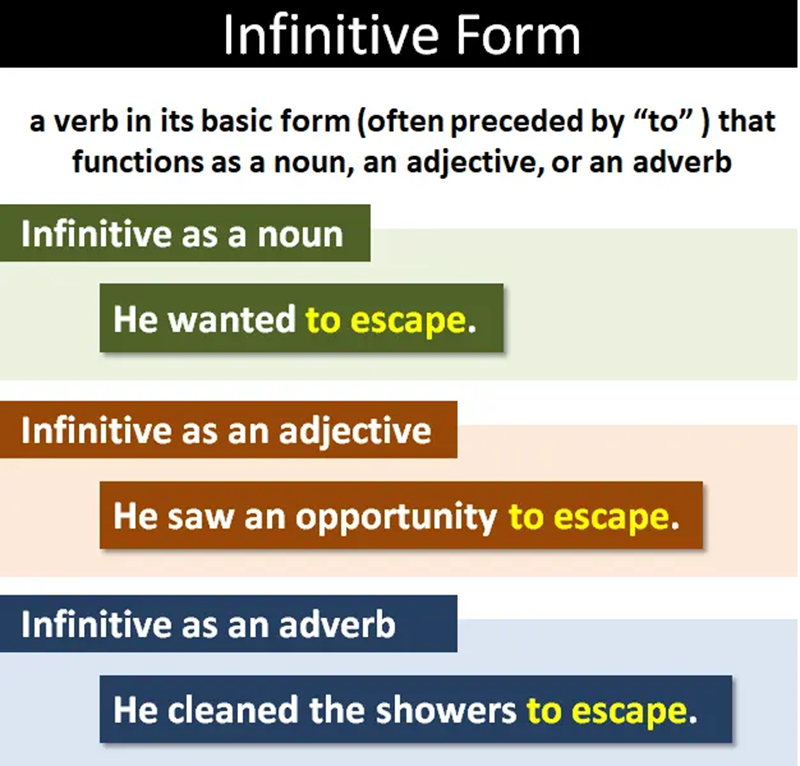
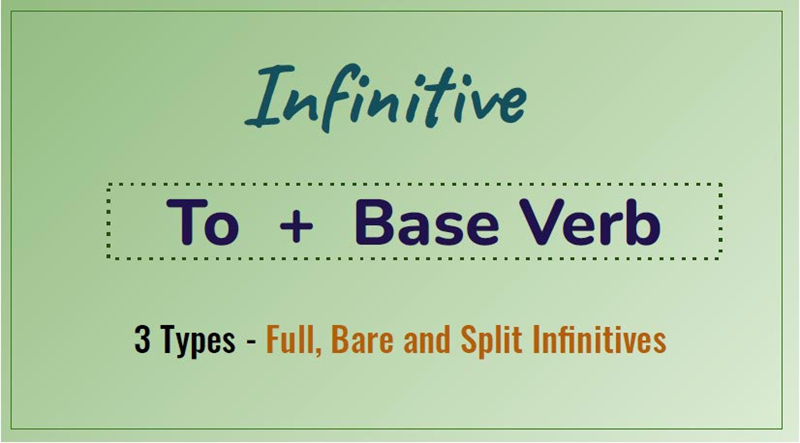
Infinitive หรือที่เรียกว่า “รูปพื้นฐานของคำกริยา” (แสดงเป็น V1) คือรูปดั้งเดิมของคำกริยา โดยไม่เปลี่ยนไปตามประธานหรือกาลเวลา
ในภาษาอังกฤษ infinitive มีทั้งหมด 5 รูปแบบ ได้แก่:
-
Simple infinitive
-
Perfect infinitive
-
Perfect continuous infinitive
-
Continuous infinitive
-
Passive infinitive
ในบรรดารูปแบบเหล่านี้ simple infinitive เป็นรูปที่ใช้บ่อยที่สุด โดยมี 2 ลักษณะคือ:
-
To-infinitive (to + V1) ตัวอย่าง: She promised to visit her grandparents next month.
-
Bare infinitive (ไม่มี “to”) ตัวอย่าง: You had better not consume excessive caffeine before sleeping.
วิธีการใช้ To-Infinitive
รูปแบบ to-infinitive ใช้เพื่อแสดงจุดประสงค์ ความตั้งใจ หรือเพื่อบรรยายการกระทำในอนาคต
1. เพื่อแสดงจุดประสงค์หรือความตั้งใจ
ตัวอย่าง:
-
He enrolled in a language course to improve his communication skills.
-
Our team is working hard to meet the project deadline.
2. ทำหน้าที่เป็นประธานของประโยค
ตัวอย่าง:
-
To establish a tech startup is his biggest ambition.
-
To build healthy relationships and to pursue passions are essential for a happy life.
3. ทำหน้าที่เป็นกรรมของกริยา หรือคุณศัพท์
โครงสร้าง: S + to be + adj + (for/of someone) + to infinitive
ตัวอย่าง: She is eager for him to present his ideas at the conference.
นอกจากนี้ยังสามารถทำหน้าที่เป็นกรรมของกริยาได้เช่นกัน:
The teacher urged her students to join the science competition.
4. ใช้หลังคำถาม (ยกเว้น "why")
ตัวอย่าง: My tutor explained what to do to improve my IELTS score.
5. ในโครงสร้าง "Verb + Object + To Infinitive"
ตัวอย่าง: I expect her to give a great presentation.
วิธีใช้ Bare Infinitive
Bare infinitive คือกริยารูปพื้นฐานที่ไม่มี “to” และมักใช้หลัง modal verbs, กริยาที่แสดงการรับรู้ (verbs of perception) และกริยาที่ทำให้เกิดการกระทำบางอย่าง (causative verbs)
1. หลัง modal verbs
ตัวอย่าง: You should explore new solutions for the project.
2. หลัง verbs of perception (เช่น see, hear, feel ฯลฯ)
โครงสร้าง: S + perception verb + object + V1 หรือ V-ing
ตัวอย่าง: She felt the sun warm her skin.
3. หลัง “make”, “let” และ “help”
โครงสร้าง: S + make/let/help + object + V1
ตัวอย่าง: My teacher let us choose our project topics.
4. หลัง “had better” หรือ “would better”
ตัวอย่าง:
-
You had better prepare well for the test.
-
I would better avoid procrastinating.
ความแตกต่างระหว่าง Gerund และ Infinitive
|
ลักษณะ |
Gerund |
Infinitive |
|
รูปแบบ |
Verb + ing |
to + base verb |
|
หน้าที่ |
ทำหน้าที่เหมือนคำนาม ใช้อธิบายกิจวัตร |
ใช้อธิบายเป้าหมายหรือเจตนา |
|
การใช้ |
ใช้หลังบุพบท หรือเมื่อพูดถึงพฤติกรรมซ้ำๆ |
ใช้หลังคำกริยาแสดงความต้องการ หรือหลังคำคุณศัพท์ |
|
ตัวอย่าง |
Practicing yoga reduces stress. |
He aims to improve his skills. |
แบบฝึกหัดเกี่ยวกับ Infinitive
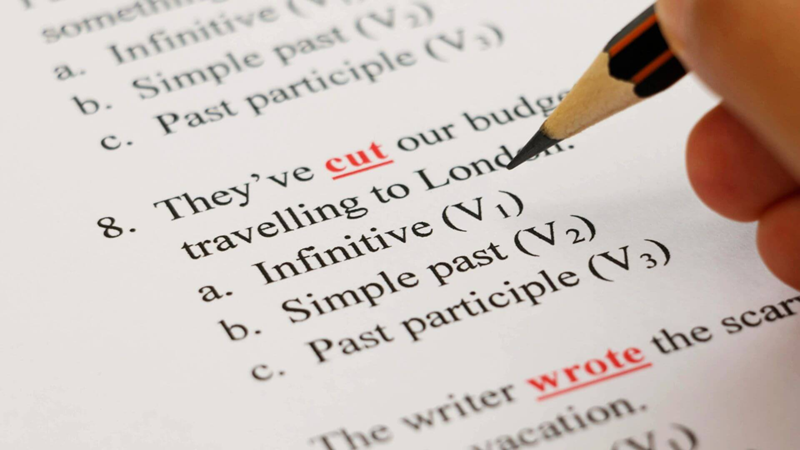
แบบฝึกหัดที่ 1: เติมคำกริยาที่ถูกต้องในช่องว่าง
-
The researchers aim ___ (discover) new methods.
-
I witnessed her ___ (perform) at the concert.
-
The manager insisted ___ (review) the proposal.
-
I encouraged him ___ (participate) in the workshop.
-
She appears ___ (see) the problem clearly.
-
They invited us ___ (join) them for dinner.
-
The coach let the players ___ (practice) longer.
-
I would prefer ___ (discuss) this in person.
-
We ought ___ (explore) other options.
-
He assisted her ___ (navigate) the new role.
คำตอบ:
-
to discover
-
perform
-
on reviewing
-
to participate
-
to see
-
to join
-
practice
-
to discuss
-
to explore
-
in navigating
แบบฝึกหัดที่ 2: สร้างประโยคที่สมบูรณ์โดยใช้ to-infinitive หรือ bare infinitive
-
She / intend / pursue / masters degree / environmental science -> She intends to pursue a master's degree in environmental science.
-
I / require / assist / compiling / data / report -> I require assistance in compiling the data for the report.
-
They / allow / us / participate / community / project -> They allowed us to participate in the community project.
-
We / desire / enhance / skills / public speaking -> We desire to enhance our skills in public speaking.
-
He / should / consider / implications / his decisions -> He should consider the implications of his decisions.
Monkey Junior - เส้นทางการเรียนรู้ภาษาอังกฤษที่ครอบคลุมสำหรับเด็ก
Monkey Junior ช่วยให้เด็กสร้างพื้นฐานภาษาอังกฤษอย่างมั่นคงตั้งแต่วัยเยาว์ ด้วยบทเรียนสั้น ๆ 3-7 นาทีที่ออกแบบให้เหมาะกับช่วงสมาธิของเด็กแต่ละวัย เด็กจะได้เรียนรู้ทั้งคำศัพท์ การออกเสียง และรูปแบบประโยคที่ใช้จริงในชีวิตประจำวัน
แอปพลิเคชันนี้ใช้เทคโนโลยี AI ในการประเมินการออกเสียง และให้รางวัลเมื่อเด็กเรียนจบแต่ละบท ทำให้การเรียนรู้กลายเป็นเรื่องสนุก Monkey Junior คือก้าวแรกสู่การเรียนภาษาอังกฤษที่เข้าใจง่ายและยั่งยืน
การเข้าใจวิธีการใช้ infinitive เป็นสิ่งสำคัญสำหรับไวยากรณ์ภาษาอังกฤษ infinitive ช่วยให้คุณแสดงเจตนาและการกระทำได้อย่างชัดเจนยิ่งขึ้น เมื่อฝึกฝนเป็นประจำ คุณจะสามารถพัฒนาทั้งทักษะไวยากรณ์และความคล่องแคล่วในการเขียนได้ดียิ่งขึ้น