.png.webp)



.png)
ในบรรดากาลภาษาอังกฤษทั้งหมด ปัจจุบันกาลธรรมดาถือว่าเป็นพื้นฐานที่สุดและง่ายที่สุดในการเรียนรู้ การเข้าใจความหมาย โครงสร้าง และวิธีการใช้งานจะช่วยให้คุณหลีกเลี่ยงข้อผิดพลาดในการสอบและสร้างรากฐานที่มั่นคงสำหรับความรู้ขั้นสูงต่อไป
ปัจจุบันกาลธรรมดาคืออะไร?
ปัจจุบันกาลธรรมดาใช้เพื่ออธิบายการกระทำที่เกิดขึ้นในปัจจุบัน ใช้แสดงข้อเท็จจริง การกระทำที่เกิดซ้ำเป็นประจำ นิสัย หรือคุณลักษณะของมนุษย์
ตัวอย่าง:
-
Russia is the largest country in the world. (รัสเซียเป็นประเทศที่ใหญ่ที่สุดในโลก)
-
My father usually wakes up at 7:30. (พ่อของฉันมักจะตื่นนอนเวลา 7:30)
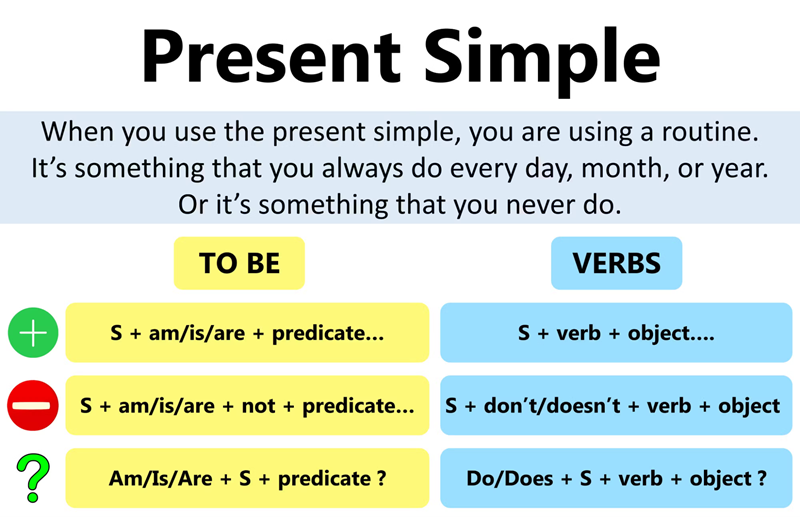
สูตรปัจจุบันกาลธรรมดา
1. รูปบอกเล่า (Affirmative Form)
กริยาปกติ: S + V(-s/-es) + O/A
ตัวอย่าง: Natural milk of mammals contains lactose.
กริยา to be: S + am/is/are + N/Adj
ตัวอย่าง: Keanu Reeves is the nicest guy in Hollywood.
2. รูปปฏิเสธ (Negative Form)
กริยาปกติ: S + do/does + not + V + O/A
ตัวอย่าง: I do not go to work on foot.
กริยา to be: S + am/are/is + not + N/Adj
ตัวอย่าง: Justin Bieber is not Selena Gomez's husband.
3. รูปคำถาม (Interrogative Form)
คำถาม Yes/No:
Q: Do/Does (not) + S + V + O/A?
A: Yes, S + do/does. / No, S + don't/doesn't.
ตัวอย่าง: Do you visit your parents every weekend?
Q: Am/Are/Is (not) + S + N/Adj?
A: Yes, S + am/are/is. / No, S + am not/aren't/isn't.
ตัวอย่าง: Is this your pen?
คำถาม Wh-:
Wh- + do/does + S + V(base)?
ตัวอย่าง: What does your mother do?
Wh- + am/are/is + S + N/Adj?
ตัวอย่าง: Where are the best places for reading in the city?
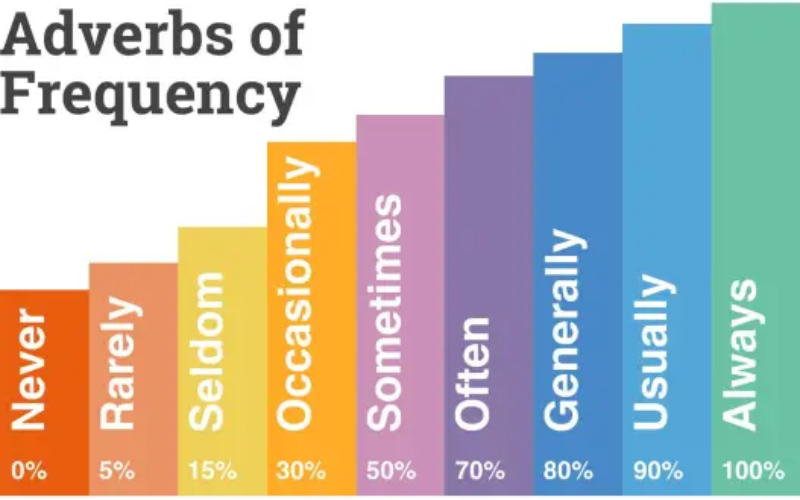
คำบอกสัญญาณของปัจจุบันกาลธรรมดา
กริยาวิเศษณ์บอกความถี่: Always, usually, often, sometimes, seldom, never, generally
ตัวอย่าง:
-
David seldom has breakfast.
-
My mom usually washes clothes before bedtime.
วลีบอกการทำซ้ำ: Every day/week/month/year; daily, weekly, monthly
ตัวอย่าง:
-
Lisa cooks every day.
-
I come home three times a month.
การใช้ปัจจุบันกาลธรรมดา
-
ใช้เพื่อแสดงการกระทำที่เป็นประจำหรือนิสัย ตัวอย่าง: Office staff usually nap at noon.
-
ใช้เพื่อแสดงความจริงทั่วไปหรือข้อเท็จจริง ตัวอย่าง: 75% of Russian territory is in Asia.
-
ใช้เพื่อแสดงตารางเวลาหรือกำหนดการที่แน่นอน ตัวอย่าง: The flight to Singapore departs at 8am.
-
ใช้เพื่อแสดงสภาวะหรืออารมณ์ ตัวอย่าง: Jane feels excited to meet her niece.
-
ใช้เพื่อให้คำสั่งหรือคำแนะนำ ตัวอย่าง: Cut the strawberry and put it on the cake.
-
ใช้ในประโยคเงื่อนไขที่ 1 ตัวอย่าง: If people smoke, they suffer health risks.
กฎการผันกริยาในปัจจุบันกาลธรรมดา
-
เติม -s สำหรับกริยาส่วนใหญ่เมื่อประธานเป็นเอกพจน์บุรุษที่สาม ตัวอย่าง: runs, eats, reads
-
เติม -es สำหรับกริยาที่ลงท้ายด้วย s, ch, x, sh, z, g, o ตัวอย่าง: watches, fixes, goes
-
เติม -s ถ้ากริยาลงท้ายด้วย -y และหน้ามีสระ ตัวอย่าง: plays, buys
-
เปลี่ยน -y เป็น -ies ถ้าหน้ามีพยัญชนะ ตัวอย่าง: studies, copies
กรณีพิเศษ:
-
ใช้คำนามที่ใกล้กับกริยาที่สุดในโครงสร้าง of, or, nor ตัวอย่าง: Neither John nor his teammates agree.
-
เวลา เงิน ระยะทาง = เอกพจน์ ตัวอย่าง: Five kilometers is too far.
-
สำหรับ a lot of, some of, all of: ให้กริยาสอดคล้องกับคำนาม ตัวอย่าง: Some of the pie is missing.
คำทดแทนกริยาวิเศษณ์บอกความถี่
-
sometimes: every now and then
-
always: like clockwork, nine times out of ten
-
regularly: on a regular basis
-
never: when pigs fly
-
seldom: once in a blue moon
แบบฝึกหัดปฏิบัติสำหรับปัจจุบันกาลธรรมดา
แบบฝึกหัดที่ 1: เติมคำกริยาที่ถูกต้องลงในช่องว่าง (Fill in the blanks with the correct form)
-
I usually ___ (go) to school. -> go
-
They ___ (visit) us often. -> visit
-
___ you ___ (play) basketball? -> Do you play
-
Tom ___ (work) every day. -> works
-
He always ___ (tell) stories. -> tells
-
She never ___ (help) me. -> helps
-
Martha and Kevin ___ (swim). -> swim
แบบฝึกหัดที่ 2: เขียนประโยคใหม่ในปัจจุบันกาลธรรมดา (Rewrite sentences in the Simple Present)
-
He drives to work every day.
-
Do they write emails every day?
-
He doesn’t read the newspaper.
-
What do you do on the weekend?
-
She catches a cold every winter.
-
How often does she go to the cinema?
-
What does this machine do?
แบบฝึกหัดที่ 3: เติมรูปกริยาที่ถูกต้อง (Fill in the correct verb form)
-
is, helps
-
travel
-
finishes
-
doesn’t eat, is
-
are, smile
-
starts
-
doesn’t study
-
likes
-
cook
-
have
|
เรียนรู้เพิ่มเติมเกี่ยวกับกาลเวลาในภาษาอังกฤษ |
||
บทความนี้ให้คำแนะนำอย่างครบถ้วนเกี่ยวกับปัจจุบันกาลธรรมดาและมีแบบฝึกหัดที่เป็นประโยชน์ การเชี่ยวชาญกาลนี้จะช่วยเสริมสร้างพื้นฐานไวยากรณ์ของคุณและพัฒนาผลลัพธ์การสอบ