

.png)
The English alphabet is the foundation of the English language. Whether you are a beginner or an advanced learner, understanding the alphabet is essential for developing reading, writing, listening, and pronunciation skills. In this comprehensive guide, you will learn everything about the English alphabet, including letters, sounds, pronunciation tips, and effective practice methods.
Why the English Alphabet Is Important
Before learning the details, it is important to understand why the English alphabet plays a crucial role in language learning. Every English word is built from these letters, making the alphabet the starting point for communication.
A strong understanding of the alphabet helps you:
-
Recognize and spell words correctly
-
Improve pronunciation and listening skills
-
Build vocabulary more efficiently
-
Develop confidence in reading and writing
Without mastering the alphabet, it becomes difficult to progress in English.
What Is the English Alphabet?
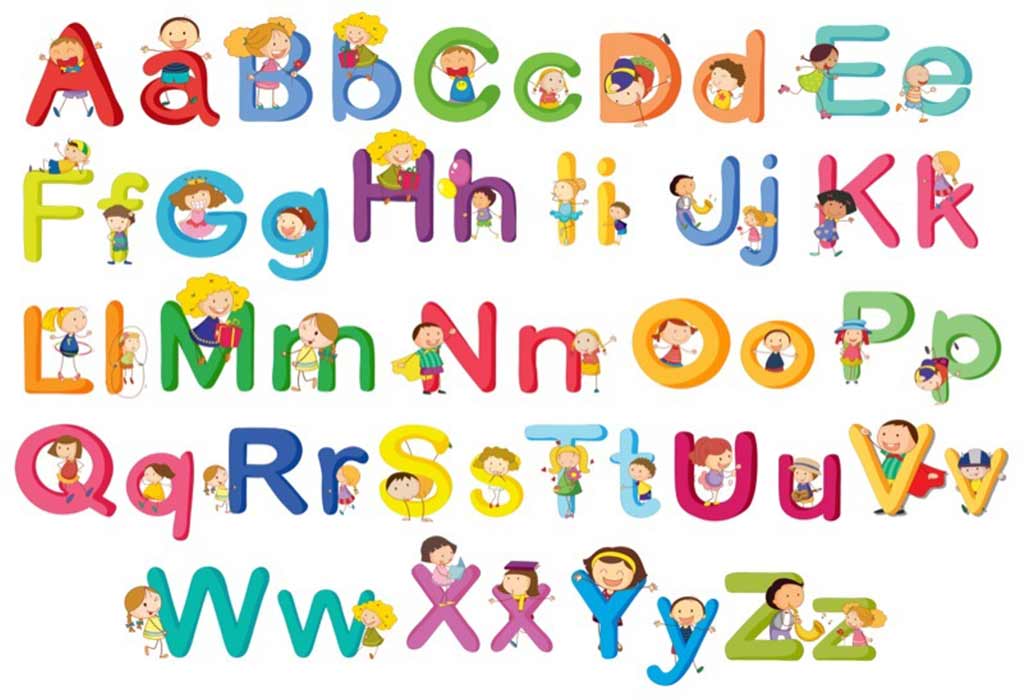
To begin with, the English alphabet is a set of 26 letters used to write the English language. These letters are divided into two forms:
-
Uppercase (capital letters): A, B, C, D...
-
Lowercase (small letters): a, b, c, d...
Full List of English Alphabet Letters
|
Uppercase |
Lowercase |
Name |
|
A |
a |
/eɪ/ |
|
B |
b |
/biː/ |
|
C |
c |
/siː/ |
|
D |
d |
/diː/ |
|
E |
e |
/iː/ |
|
F |
f |
/ef/ |
|
G |
g |
/dʒiː/ |
|
H |
h |
/eɪtʃ/ |
|
I |
i |
/aɪ/ |
|
J |
j |
/dʒeɪ/ |
|
K |
k |
/keɪ/ |
|
L |
l |
/el/ |
|
M |
m |
/em/ |
|
N |
n |
/en/ |
|
O |
o |
/oʊ/ |
|
P |
p |
/piː/ |
|
Q |
q |
/kjuː/ |
|
R |
r |
/ɑːr/ |
|
S |
s |
/es/ |
|
T |
t |
/tiː/ |
|
U |
u |
/juː/ |
|
V |
v |
/viː/ |
|
W |
w |
/ˈdʌbəl.juː/ |
|
X |
x |
/eks/ |
|
Y |
y |
/waɪ/ |
|
Z |
z |
/ziː/ (American) /zed/ (British) |
Vowels and Consonants in the English Alphabet
To understand how the alphabet works, you need to distinguish between vowels and consonants.
1. Vowels
Vowels are letters that represent open sounds.
The five main vowels are:
-
A, E, I, O, U
Sometimes, Y is also considered a vowel.
Examples:
-
apple
-
elephant
-
orange
2. Consonants
Consonants are all the other letters in the alphabet.
Examples: B, C, D, F, G, etc.
Consonants are produced by restricting airflow in the mouth.
English Alphabet and Pronunciation
Understanding the English alphabet is not just about recognizing letters; it also involves knowing how they are pronounced.
Letter Names vs Letter Sounds
Each letter has a name, but it can produce different sounds in words.
Examples:
-
Letter C:
-
/k/ in cat
-
/s/ in city
-
Letter G:
-
/g/ in go
-
/dʒ/ in giant
This is why learning pronunciation is just as important as learning the alphabet itself.
Common Challenges When Learning the English Alphabet
Many learners face difficulties when learning the alphabet, especially if their native language uses a different writing system.
Common challenges include:
-
Confusing similar letters (b/d, p/q)
-
Mispronouncing letter names
-
Mixing uppercase and lowercase forms
-
Difficulty linking letters to sounds
Recognizing these challenges helps you overcome them more effectively.
Practical Exercises to Master the English Alphabet
After understanding the basics, it is important to practice regularly. Learning the English alphabet becomes easier with consistent and structured exercises.
1. Alphabet Listening Practice
Start by listening to the alphabet song or pronunciation recordings.
How to practice:
-
Listen carefully to each letter
-
Repeat aloud
-
Focus on correct pronunciation
This helps you remember letter names and sounds.
2. Writing Practice
Writing helps reinforce memory and improves recognition.
Practice methods:
-
Write uppercase and lowercase letters
-
Trace letters repeatedly
-
Practice spelling simple words
3. Spelling Practice
Spelling is essential for connecting letters to real words.
Examples:
-
cat → C-A-T
-
book → B-O-O-K
Say each letter clearly while spelling.
4. Flashcards and Memory Games
Use flashcards to test your memory.
-
One side: letter
-
Other side: pronunciation
You can also play matching games to make learning more engaging.
5. Practice with Real Words
Apply the alphabet to real vocabulary.
Examples:
-
A for apple
-
B for book
-
C for car
This helps you connect letters with meaning.
Tips to Learn the English Alphabet Faster
-
Practice every day, even for a short time
-
Combine listening, speaking, reading, and writing
-
Use songs and videos for better memory
-
Focus on both letter names and sounds
-
Be patient and consistent
Conclusion
The English alphabet is the first and most important step in learning English. By understanding the letters, their sounds, and how they are used in words, you build a strong foundation for all language skills. With regular practice and the right techniques, mastering the alphabet becomes simple and enjoyable, helping you progress confidently in your English learning journey.