

.png)
Learning IPA transcription is one of the most effective ways to improve your English pronunciation. Many learners struggle because English spelling does not always match pronunciation. This is where the International Phonetic Alphabet (IPA) becomes essential. By understanding IPA transcription, you can accurately read and produce sounds just like native speakers.
Why IPA Transcription Is Important
Before exploring the system, it is important to understand why IPA transcription plays a crucial role in learning English. English has inconsistent spelling rules, which means the same letters can be pronounced differently in different words.
For example:
-
through /θruː/
-
though /ðoʊ/
-
tough /tʌf/
Without IPA, these differences are difficult to predict. Learning IPA helps you:
-
Improve pronunciation accuracy
-
Develop better listening skills
-
Learn new words more effectively
-
Avoid common pronunciation mistakes
What Is IPA Transcription?
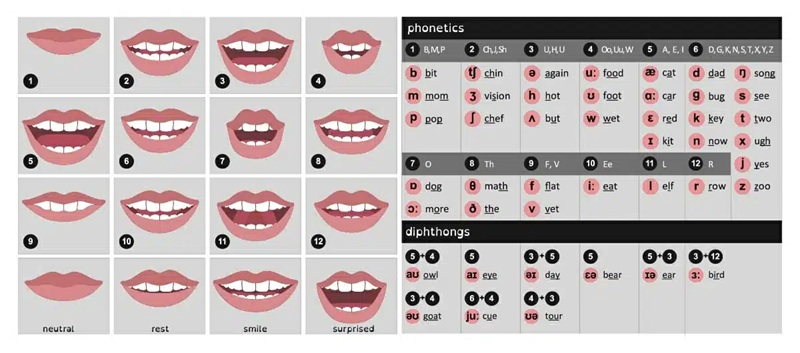
To fully understand this concept, you need a clear definition of IPA transcription. IPA stands for the International Phonetic Alphabet, a standardized system of symbols used to represent speech sounds.
Each symbol corresponds to a single sound, making pronunciation clear and consistent across all languages.
Example:
|
Word |
IPA Transcription |
|
cat |
/kæt/ |
|
dog |
/dɔːg/ |
|
teacher |
/ˈtiːtʃər/ |
|
computer |
/kəmˈpjuːtər/ |
Types of IPA Transcription
Understanding the types of IPA transcription will help you use it more effectively in learning.
1. Broad Transcription (Phonemic)
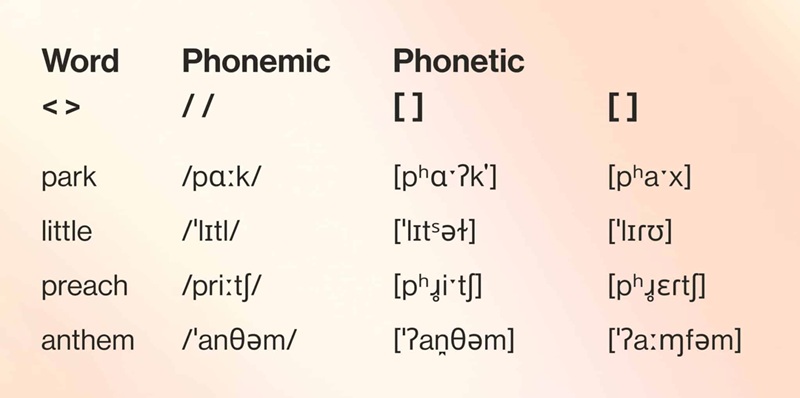
Broad transcription shows only the most important sounds (phonemes) in a word.
Example:
-
cat → /kæt/
-
go → /goʊ/
It is simple and commonly used in dictionaries.
2. Narrow Transcription (Phonetic)
Narrow transcription provides more detailed information about pronunciation, including slight variations in sounds.
Example:
-
cat → [kʰæt]
This type is more advanced and often used by linguists.
Main IPA Symbols in English
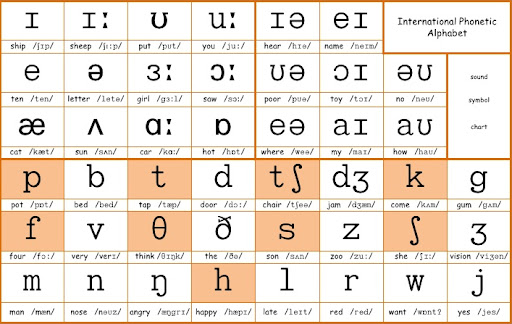
To use IPA effectively, you need to become familiar with the most common symbols.
1. Vowel Sounds
English vowels can be short or long.
Short vowels:
-
/ɪ/ as in sit
-
/e/ as in bed
-
/ʌ/ as in cup
-
/ɒ/ as in hot
Long vowels:
-
/iː/ as in see
-
/uː/ as in food
-
/ɑː/ as in car
2. Consonant Sounds
Most consonants are similar to letters, but some are different:
-
/θ/ as in think
-
/ð/ as in this
-
/ʃ/ as in she
-
/tʃ/ as in chair
-
/dʒ/ as in job
3. Diphthongs
Diphthongs are combinations of two vowel sounds.
Examples:
-
/aɪ/ as in time
-
/eɪ/ as in day
-
/ɔɪ/ as in boy
-
/aʊ/ as in now
How to Read IPA Transcription
Now that you know the symbols, the next step is learning how to read IPA transcription effectively.
Step-by-step approach:
-
Break the word into individual sounds
-
Identify each IPA symbol
-
Blend the sounds together
Example:
information → /ˌɪn.fərˈmeɪ.ʃən/
-
/ˌɪn/ → in
-
/fər/ → fer
-
/ˈmeɪ/ → MAY (stressed syllable)
-
/ʃən/ → shun
Common Mistakes When Learning IPA Transcription
Many learners face similar challenges when using IPA:
-
Ignoring stress marks (ˈ, ˌ)
-
Confusing similar sounds (/ɪ/ vs /iː/)
-
Not practicing regularly
-
Trying to memorize symbols without listening
Understanding these mistakes helps you avoid them and learn more efficiently.
Practical Exercises to Master IPA Transcription
To improve your skills, consistent practice is essential. Here are some effective methods:
1. Use a Dictionary with IPA Every Day
One of the most effective ways to learn IPA transcription is by integrating it into your daily vocabulary practice. Instead of just learning the meaning of a new word, always check its IPA transcription and pronunciation.
Start by choosing a reliable English dictionary that includes IPA, such as Cambridge or Oxford. When you look up a word:
-
Read the IPA transcription carefully
-
Listen to the audio pronunciation
-
Repeat the word several times
-
Pay attention to stress marks and vowel length
Example: Word: development → /dɪˈveləpmənt/
By doing this consistently, you will naturally connect spelling, sound, and meaning over time.
2. Listen and Repeat with Full Focus
Listening is a critical part of mastering IPA transcription because it trains your ear to recognize sounds accurately. However, passive listening is not enough; you need active repetition.
Choose audio materials such as:
-
Pronunciation videos
-
Podcasts with transcripts
-
Online dictionaries with audio
Then follow this process:
-
Listen to the word or sentence
-
Read the IPA transcription
-
Repeat the sound slowly
-
Repeat again at natural speed
Example practice: /ˈkɒnfɪdəns/ → confidence
Focus on each sound: /kɒn/ – /fɪ/ – /dəns/
3. Write Words in IPA Transcription
Writing IPA is a powerful way to reinforce what you have learned. It forces you to think about each sound in a word instead of relying on spelling.
Start with simple words, then move to more complex ones.
Practice examples:
-
pen → /pen/
-
teacher → /ˈtiːtʃər/
-
important → /ɪmˈpɔːrtənt/
You can also try:
-
Listening to a word and writing its IPA
-
Checking your answer with a dictionary
This exercise improves both listening accuracy and sound recognition.
4. Practice Minimal Pairs to Train Your Ear
Many English sounds are very similar, which makes them difficult for learners. Practicing minimal pairs helps you distinguish between these sounds clearly.
Minimal pairs are words that differ by only one sound.
Examples:
-
ship /ʃɪp/ vs sheep /ʃiːp/
-
cat /kæt/ vs cut /kʌt/
-
full /fʊl/ vs fool /fuːl/
How to practice:
-
Listen to both words carefully
-
Repeat each word multiple times
-
Focus on the difference in vowel or consonant sounds
This exercise is essential for improving both listening and pronunciation accuracy.
5. Break Down Words into Individual Sounds
Long or complex words can feel overwhelming, but breaking them into smaller parts makes them easier to pronounce.
Example:
communication → /kəˌmjuːnɪˈkeɪʃən/
Break it down:
-
/kə/
-
/mjuː/
-
/nɪ/
-
/ˈkeɪ/
-
/ʃən/
Then:
-
Practice each part slowly
-
Combine them step by step
-
Repeat the full word naturally
This method helps you develop accuracy and fluency at the same time.
6. Record Yourself and Compare
Self-recording is one of the fastest ways to improve pronunciation. It allows you to hear your mistakes and track your progress over time.
How to practice:
-
Choose a word or sentence with IPA
-
Record yourself reading it
-
Compare your pronunciation with a native speaker
-
Identify differences and repeat
This technique helps you become more aware of your own pronunciation habits.
7. Practice IPA in Full Sentences
Finally, to truly master IPA transcription, you need to apply it in real communication. Practicing isolated words is helpful, but sentences will improve your fluency and rhythm.
Example:
“I want to improve my pronunciation.” → /aɪ wɒnt tuː ɪmˈpruːv maɪ prəˌnʌnsiˈeɪʃən/
Focus on:
-
Linking sounds
-
Word stress
-
Natural rhythm
Practicing sentences helps you move from theory to real-life speaking.
Advanced Tips to Improve Pronunciation with IPA
-
Learn IPA together with word stress and intonation
-
Practice daily with real-life sentences
-
Record yourself and compare with native pronunciation
-
Use phonetic apps and online tools
-
Focus on difficult sounds specific to your native language
Conclusion
Mastering IPA transcription is a powerful step toward improving your English pronunciation. By learning the symbols, understanding how sounds work, and practicing regularly, you can overcome the challenges of English spelling and speak more clearly. Over time, IPA will become a valuable tool that helps you sound natural, fluent, and confident.