.png)
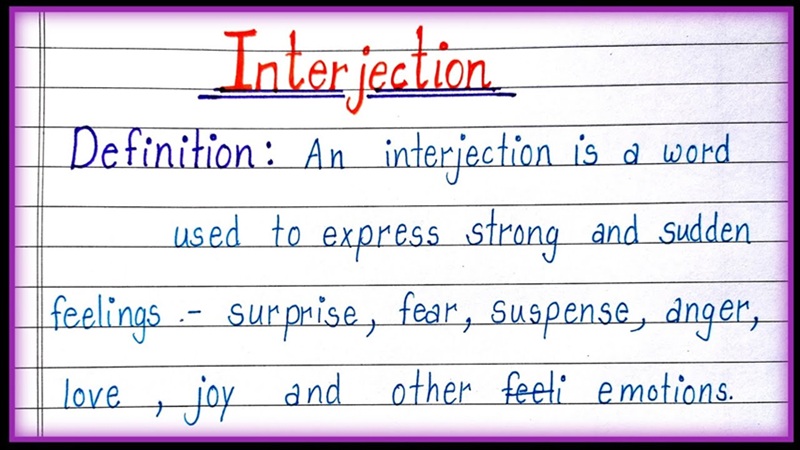
An interjection is a short word or phrase that shows strong feelings or emotions. Learning interjection in English grammar helps kids express excitement, surprise, or happiness naturally in conversation.
What Is an Interjection?
Before we explore how to use interjections, let’s understand what they really are. An interjection is a word or short expression used to show how we feel at the moment. It can express joy, surprise, sadness, anger, or even pain. Interjections often stand alone and are followed by an exclamation mark (!) because they show emotion.
For example:
-
Wow! That’s amazing.
-
Oh no! I forgot my homework.
-
Yay! We won the game.
Interjections make speech sound natural and lively, helping children sound more expressive and confident when speaking English.
Types of Interjections in English Grammar
There are many kinds of interjections depending on the emotions they show. Let’s go through each type with simple examples so kids can understand and remember them easily.
1. Interjections for Happiness or Joy
Sometimes, we want to show that we’re happy, excited, or pleased. These interjections help express joy.
Examples:
-
Yay! I got an A on my test.
-
Hooray! It’s my birthday.
-
Wow! You did it perfectly.
Encourage children to say these words out loud with energy — it makes learning emotional expressions more fun.
2. Interjections for Surprise
We use interjections of surprise when something unexpected happens. Children can use them in daily conversations to react naturally.
Examples:
-
Oh! I didn’t see you there.
-
What! You’re moving to another city?
-
Really! That’s unbelievable!
These words help children sound more expressive and respond appropriately when something surprises them.
3. Interjections for Sadness or Disappointment
Sometimes we feel sad or upset. These interjections help us express those emotions.
Examples:
-
Oh no! I broke my toy.
-
Alas! The kitten is lost.
-
Oops! I dropped the juice.
Even though these express sadness, learning them helps children communicate emotions more clearly and understand others’ feelings better.
4. Interjections for Anger or Frustration
When children feel angry or annoyed, they might use certain interjections to express it safely and appropriately.
Examples:
-
Ugh! This homework is hard.
-
Grr! My computer won’t work.
-
Hey! Stop pushing me.
It’s important to teach children how to use these words kindly so that they can express frustration without being rude.
5. Interjections for Attention or Greeting
We also use interjections to get someone’s attention or to greet them.
These are useful in both speaking and writing when children want to call someone politely.
Examples:
-
Hello! How are you today?
-
Hey! Come here for a minute.
-
Hi! It’s nice to see you again.
These are simple, friendly words children can practice every day to sound natural in English conversations.
How to Use Interjections in Sentences
After understanding the meaning, kids should learn how to use interjections correctly in sentences. Usually, an interjection is placed at the beginning of a sentence and is followed by an exclamation mark (!) if it shows strong feeling, or a comma (,) if it shows mild emotion.
Examples:
-
Wow! The fireworks are beautiful.
-
Oh, I see what you mean.
-
Hey! Look at that rainbow.
Parents can help children practice by reading aloud short sentences and using the right tone for each interjection.
Common Mistakes Kids Make with Interjections
Children may sometimes use interjections too often or in the wrong situations. Here are some examples to help correct them.
|
Mistake |
Correct Use |
Why It’s Wrong |
|
Wow! I’m sad today. |
Oh no! I’m sad today. |
“Wow” expresses excitement, not sadness. |
|
Hey, I broke it! |
Oops! I broke it! |
“Hey” is for attention, not mistakes. |
|
Oh no. We won! |
Yay! We won! |
The emotion doesn’t match the situation. |
Teaching children to choose the right interjection builds emotional intelligence and helps them speak naturally.
Practice Exercises: Interjection in English Grammar
Exercise 1: Fill in the Blanks
Fill in each sentence with the correct interjection: (Wow, Oh no, Oops, Hooray, Hey)
-
______! I forgot my pencil at school.
-
______! You made such a beautiful drawing.
-
______! Don’t touch that hot pan.
-
______! We’re going on vacation.
-
______! I spilled the water again.
Exercise 2: Match the Emotion
Match each interjection to its correct emotion.
|
Interjection |
Emotion |
|
Alas! |
a. Happiness |
|
Yay! |
b. Surprise |
|
Oh! |
c. Sadness |
|
Grr! |
d. Anger |
Answer Key
Exercise 1:
-
Oh no
-
Wow
-
Hey
-
Hooray
-
Oops
Exercise 2:
-
Alas! – c
-
Yay! – a
-
Oh! – b
-
Grr! – d
Learn Interjection in English Grammar with Monkey Junior
Learning interjection in English grammar becomes more exciting when kids can see, hear, and use the words in fun ways. Monkey Junior is a learning app designed for children aged 0–11 that makes English lessons interactive and enjoyable.
In Monkey Junior, children learn interjections through colorful animations, games, and real-life examples. Each lesson includes pronunciation by native speakers, so kids understand not just the meaning but also the correct tone and emotion behind every interjection.
The program also helps children connect grammar, vocabulary, and communication naturally, turning what seems like a grammar rule into a fun experience. Parents can guide children to practice just 10 - 15 minutes a day and see real improvement in their English speaking and listening skills.
Start your child’s learning journey today with Monkey Junior and let them express their emotions in English confidently and naturally.
Conclusion
Interjections are small but powerful words that show emotions and make speech lively. When children learn interjection in English grammar, they can communicate feelings clearly and enjoy speaking English more. With practice and Monkey Junior’s fun lessons, learning grammar will always be something to smile about.