
.png)
The pronunciation of D in English is simple but very important for clear speech. Learning how to produce this sound correctly helps improve pronunciation, listening, and overall fluency.
|
LISTEN TO A QUICK AUDIO SUMMARY OF THE ARTICLE
|
What Is the Pronunciation of D in English?
To begin learning pronunciation, it is essential to understand the basic sound of the letter D. The pronunciation of D in English is usually represented by the sound /d/, which is a voiced consonant sound.
This means the vocal cords vibrate when producing the sound. The letter D keeps the same sound in most English words, making it easier to learn than some other consonants.
Examples:
-
dog /dɒɡ/
-
day /deɪ/
-
red /red/
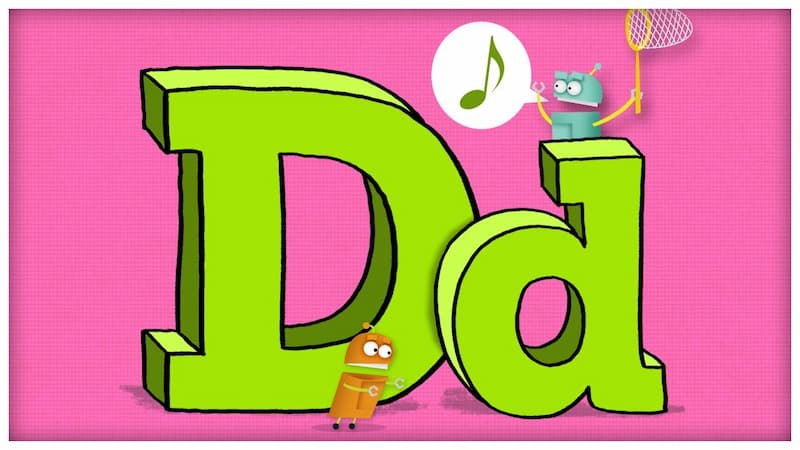
How to Pronounce the D Sound Correctly
Before practicing words, learners should know how to form the D sound properly. The pronunciation of D is made by placing the tip of the tongue against the ridge just behind the upper front teeth and releasing air gently while voicing the sound.
This sound is short and clear, and it should not be followed by extra air. Unlike T, which is voiceless, D is voiced and softer.
Practice tip: Place a hand on your throat. When pronouncing /d/, you should feel vibration.
Pronunciation of D at the Beginning, Middle, and End of Words
Understanding where D appears in a word helps learners pronounce it more naturally. The pronunciation of D stays consistent, but it may sound slightly softer at the end of words.
Examples at the beginning:
-
door /dɔːr/
-
dance /dæns/
Examples in the middle:
-
ladder /ˈlædər/
-
order /ˈɔːrdər/
Examples at the end:
-
bed /bed/
-
food /fuːd/
When D appears at the end, it is often shorter but should still be voiced.
Common Pronunciation Mistakes with D
Before moving to exercises, it is useful to identify frequent mistakes. Many learners confuse the pronunciation of D with T or drop the sound at the end of words.
Common mistakes include:
-
Pronouncing dog like tog
-
Saying bed without a clear final /d/
-
Replacing /d/ with /t/ in fast speech
These errors can affect clarity and make speech harder to understand.
References: Bounce Patrol - Kids Songs
Exercises: Practice the Pronunciation of D
Exercise 1: Identify the D Sound
Read the words and say whether D is at the beginning, middle, or end.
-
desk
-
reading
-
cold
-
doctor
-
friend
Exercise 2: Choose the Correct Pronunciation
Select the word with a clear /d/ sound.
-
dog / tog
-
bed / bet
-
day / tay
-
ride / write
Exercise 3: Read the Sentences Aloud
Focus on pronouncing D clearly.
-
The dog is sleeping on the bed.
-
She reads every day.
-
My friend opened the door.
Answer Key
Exercise 1:
-
beginning
-
middle
-
end
-
beginning
-
end
Exercise 2:
-
dog
-
bed
-
day
-
ride
Exercise 3: Self-practice with audio models or pronunciation feedback tools.
Improve the Pronunciation of D with Monkey Junior and M-Speak
Mastering the pronunciation of D becomes easier with structured guidance and instant feedback. Monkey Junior offers a clear learning path that starts with individual sounds like /d/, then progresses to syllables, words, and complete sentences.
With M-Speak technology, Monkey Junior analyzes learners’ pronunciation, scores accuracy, and highlights areas for improvement. This helps learners recognize whether they are voicing the D sound correctly and placing their tongue properly.
In addition, Monkey Junior combines phonics lessons, listening practice, native-speaker audio, and interactive speaking exercises into one complete system. The step-by-step curriculum allows learners to build strong pronunciation skills confidently and naturally.
Start learning with Monkey Junior today and improve your English pronunciation with clear guidance, smart technology, and a proven learning roadmap.

Conclusion
The pronunciation of D is a fundamental part of clear English speech. By understanding how the sound is formed, practicing it in different word positions, and using effective tools like Monkey Junior with M-Speak technology, learners can pronounce D accurately and communicate with confidence.