.png)
The pronunciation of I in English can change depending on spelling and word position. Understanding its different sounds helps improve clarity, listening skills, and accurate pronunciation.
|
LISTEN TO A QUICK AUDIO SUMMARY OF THE ARTICLE |
What Is the Pronunciation of I in English?
To begin, learners should know that the pronunciation of I in English is not limited to one sound. The letter I can represent several vowel sounds, most commonly the short /ɪ/ sound and the long /aɪ/ sound.
These variations are normal in English and follow recognizable spelling patterns. Learning them step by step makes pronunciation much easier and more predictable.
Examples:
-
Short I: sit, big, milk
-
Long I: time, bike, five
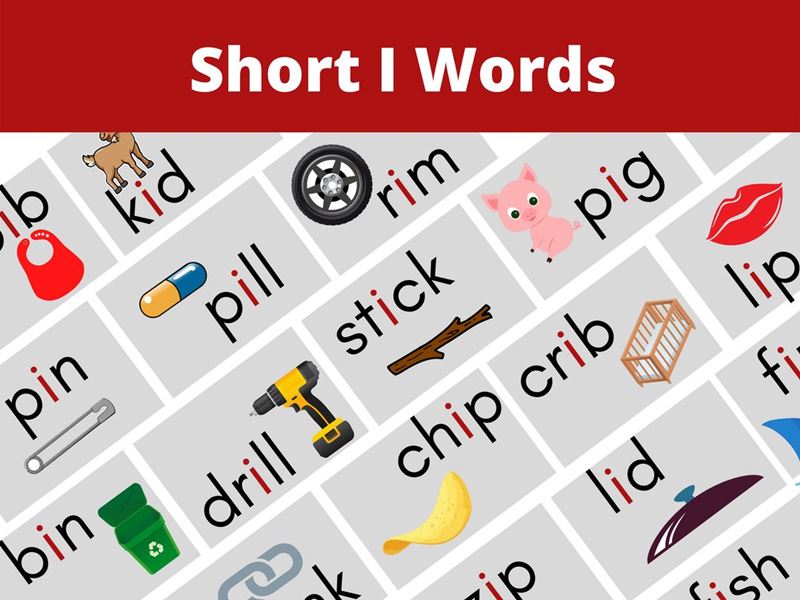
Short I Sound /ɪ/
The short I sound is one of the most frequent sounds in English. In the pronunciation of I, /ɪ/ is a relaxed vowel sound produced with the mouth slightly open and the tongue low and forward.
This sound often appears in short words or closed syllables where I is followed by one or more consonants.
Examples:
-
sit
-
fish
-
little
Learners should avoid stretching this sound, as it is short and quick.
Long I Sound /aɪ/
Another important part of the pronunciation of I is the long I sound /aɪ/. This sound starts with an open mouth and moves upward as the vowel glides.
The long I sound commonly appears in words where I is followed by a silent E or appears at the end of a word.
Examples:
-
time
-
fine
-
my
This sound is longer and more expressive than the short I sound.
Pronunciation of I in Unstressed Syllables
In unstressed syllables, the pronunciation of I can change to a weaker sound, often /ə/ (schwa) or /ɪ/. This happens when the syllable is not emphasized in speech.
Examples:
-
family
-
possible
-
pencil
Recognizing unstressed I sounds helps learners sound more natural and fluent.
References: Bounce Patrol - Kids Songs
Common Pronunciation Mistakes with I
Many learners confuse the short and long sounds of I. A common issue in the pronunciation of I is pronouncing sit like seat or time like tim.
Typical mistakes include:
-
Using /iː/ instead of /ɪ/
-
Not gliding properly for /aɪ/
-
Stressing weak syllables too strongly
Listening practice and guided feedback are key to avoiding these errors.
Exercises: Practice the Pronunciation of I
Exercise 1: Identify the Sound of I
Decide whether the I sound is short (/ɪ/) or long (/aɪ/).
-
sit
-
bike
-
fish
-
time
-
big
Exercise 2: Choose the Correct Word
Choose the word that matches the pronunciation you hear or practice both aloud.
-
bit / bite
-
sit / site
-
fill / file
-
pin / pine
Exercise 3: Read the Sentences Aloud
Focus on the pronunciation of I in each sentence.
-
The little fish is in the river.
-
I ride my bike every time I can.
-
This is a big idea.
Answer Key
Exercise 1:
-
Short
-
Long
-
Short
-
Long
-
Short
Exercise 2:
-
bit
-
sit
-
fill
-
pin
Learn the Pronunciation of I with Monkey Junior and M-Speak
Mastering the pronunciation of I is much easier with structured guidance and accurate feedback. Monkey Junior provides a clear learning roadmap that teaches vowel sounds from basic recognition to confident speaking.
With M-Speak pronunciation scoring technology, learners receive instant feedback on vowel length, mouth shape, and sound accuracy. This helps learners correct mistakes quickly and build strong pronunciation habits.
Monkey Junior also integrates phonics instruction, native-speaker audio, listening practice, and interactive speaking exercises. Multiple learning technologies work together to support long-term improvement and confident communication.
Start learning with Monkey Junior today to build accurate English pronunciation through smart technology and a well-designed learning path.

Conclusion
The pronunciation of I in English includes short, long, and weak vowel sounds, each with its own rules and patterns. By understanding these sounds and practicing regularly with tools like Monkey Junior and M-Speak technology, learners can improve accuracy, fluency, and confidence in English pronunciation.