

.png)
The pronunciation of K in English is simple in many cases, but silent letters and spelling patterns can confuse learners. Understanding how K sounds in different words helps improve both speaking and listening accuracy.
|
LISTEN TO A QUICK AUDIO SUMMARY OF THE ARTICLE |
What Is the Pronunciation of K in English?
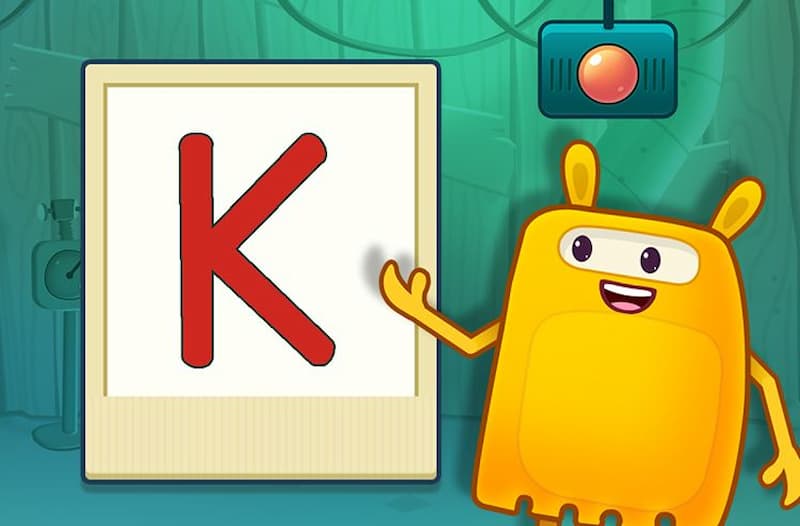
To start, learners should know that the pronunciation of K in English is most commonly the /k/ sound. This is a voiceless consonant sound produced by stopping airflow at the back of the mouth and then releasing it.
The vocal cords do not vibrate when making this sound, which makes it sharp and clear.
Examples:
-
kite
-
key
-
Kind
How to Pronounce the /k/ Sound Correctly
Before moving to word practice, it helps to understand how the sound is formed. In the pronunciation of K, the back of the tongue touches the soft palate, then releases air quickly.
Because /k/ is voiceless, you should not feel vibration in your throat. This makes it different from similar voiced sounds.
Examples:
-
cat
-
cook
-
school
Pronunciation of K in Different Word Positions
The pronunciation of K remains the same whether it appears at the beginning, middle, or end of a word. However, learners should pay attention to spelling variations.
At the beginning of words:
-
key
-
kitchen
-
In the middle of words:
-
market
-
baker
At the end of words:
-
back
-
book
In all positions, the /k/ sound should be clear and strong.
Silent K in English Words
One important exception in the pronunciation of K is when K is silent. This usually happens when K appears before the letter N at the beginning of a word.
Examples:
-
knife
-
know
-
knee
In these words, the K is written but not pronounced. Recognizing this pattern prevents unnecessary pronunciation errors.
K Sound vs Similar Sounds (K and G)
Another key learning point in the pronunciation of K is distinguishing it from the /g/ sound. Both sounds are made in the same mouth position, but /k/ is voiceless while /g/ is voiced.
Examples:
-
coat vs goat
-
back vs bag
Placing a hand on your throat helps you feel the difference.
References: Bounce Patrol - Kids Songs
Common Mistakes with the Pronunciation of K
Learners may face problems with the pronunciation of K due to spelling confusion or lack of awareness of silent letters.
Common mistakes include:
-
Pronouncing the K in knife
-
Replacing /k/ with /g/
-
Weakening the /k/ sound at the end of words
Regular listening and speaking practice help correct these errors.
Exercises: Practice the Pronunciation of K
Exercise 1: Identify the K Sound
Decide whether the word contains a pronounced /k/ sound.
-
kite
-
know
-
back
-
knee
-
cake
Exercise 2: Choose the Correct Word
Choose the word with a clear /k/ sound.
-
cap / gap
-
back / bag
-
coat / goat
-
key / gee
Exercise 3: Read the Sentences Aloud
Focus on the pronunciation of K in each sentence.
-
The cat can climb the tree.
-
I know the key is in the bag.
-
She baked a cake in the kitchen.
Answer Key
Exercise 1:
-
Yes
-
No
-
Yes
-
No
-
Yes
Exercise 2:
-
cap
-
back
-
coat
-
key
Learn the Pronunciation of K with Monkey Junior and M-Speak
Learning the pronunciation of K becomes easier with a clear structure and instant feedback. Monkey Junior offers a complete learning path that introduces phonics sounds step by step.
With M-Speak pronunciation scoring technology, learners receive real-time feedback on sound accuracy, airflow, and articulation. This allows learners to notice mistakes immediately and correct them effectively.
Monkey Junior also combines native-speaker audio, interactive listening tasks, speaking practice, and multiple supporting technologies. The structured roadmap ensures steady progress and long-term pronunciation improvement.
Start learning with Monkey Junior today to build accurate English pronunciation through smart technology and guided practice.

Conclusion
The pronunciation of K in English mainly uses the /k/ sound, with special cases such as silent K before N. By understanding these patterns and practicing consistently with Monkey Junior and M-Speak technology, learners can speak more clearly and confidently in English.