
.png)
The pronunciation of E in English includes several vowel sounds that often confuse learners. Understanding these sounds helps improve pronunciation, listening, and reading accuracy.
|
LISTEN TO A QUICK AUDIO SUMMARY OF THE ARTICLE
|
What Is the Pronunciation of E in English?
Before learning specific sounds, it is important to understand the role of the letter E. In English, the pronunciation of E is not limited to one sound. Instead, E can represent different vowel sounds depending on the word and spelling pattern.
The most common sounds of E include short vowel sounds, long vowel sounds, and reduced vowel sounds in unstressed syllables.
Examples:
-
bed
-
me
-
Teacher
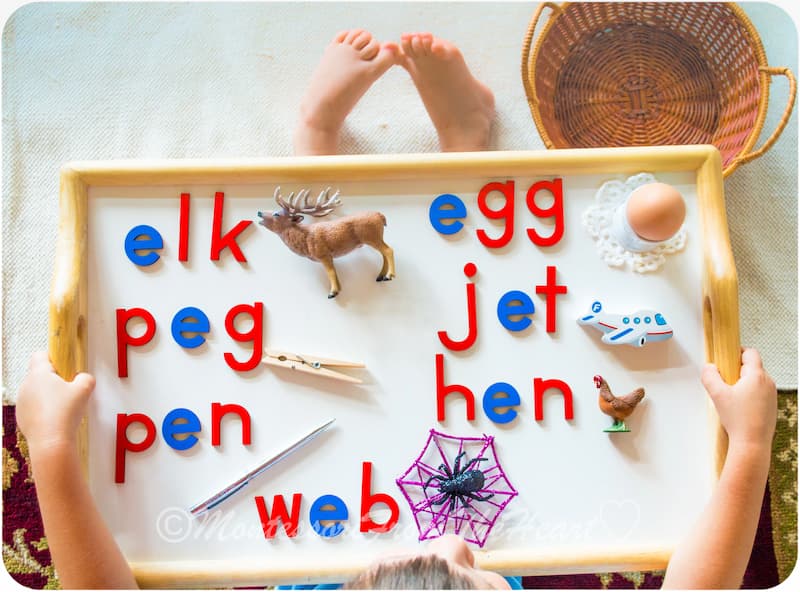
Short E Sound /e/
One of the first sounds learners encounter is the short E sound. The pronunciation of E as /e/ is common in simple words and early vocabulary.
To pronounce this sound, open your mouth slightly and relax your tongue. The sound is short and clear.
Examples:
-
pen
-
red
-
egg
-
desk
This sound often appears in short words with consonant–vowel–consonant patterns.
Long E Sound /iː/
Another important sound is the long E sound. In this case, the pronunciation of E sounds like the name of the letter “E” itself.
To pronounce /iː/, stretch the sound slightly and keep your lips relaxed with a higher tongue position.
Examples:
-
me
-
she
-
these
-
even
This sound often appears when E is at the end of a word or combined with another vowel.
Pronunciation of E as a Schwa /ə/
In many unstressed syllables, the pronunciation of E becomes the schwa sound /ə/. This sound is very common in natural English speech and is softer and shorter than other vowel sounds.
Examples:
-
teacher
-
problem
-
open
Learning this sound helps learners speak more naturally and understand fast spoken English.
Common Pronunciation Mistakes with E
Before practicing, learners should be aware of frequent mistakes. Many learners pronounce every E clearly, even when it should be reduced.
Common mistakes include:
-
Pronouncing problem with a strong E sound
-
Confusing short E /e/ with long E /iː/
-
Ignoring stress patterns in longer words
Correcting these mistakes improves clarity and fluency.
References: Bounce Patrol - Kids Songs
Exercises: Practice the Pronunciation of E
Exercise 1: Identify the E Sound
Read the words and decide which sound of E is used: short /e/, long /iː/, or schwa /ə/.
-
bed
-
she
-
pencil
-
me
-
lemon
Exercise 2: Choose the Correct Word
Choose the word that matches the given pronunciation.
-
/e/ → bed / bead
-
/iː/ → met / me
-
/ə/ → open / egg
Exercise 3: Read the Sentences Aloud
Pay attention to the pronunciation of E.
-
She eats bread every day.
-
The teacher helps the students.
-
I see a red pen on the desk.
Answer Key
Exercise 1:
-
short /e/
-
long /iː/
-
schwa /ə/
-
long /iː/
-
schwa /ə/
Exercise 2:
-
bed
-
me
-
open
Exercise 3:
Self-check with audio models or pronunciation feedback tools.
Improve the Pronunciation of E with Monkey Junior and M-Speak
Learning the pronunciation of E becomes much easier with guided practice and accurate feedback. Monkey Junior provides a clear learning path that introduces vowel sounds step by step, from individual sounds to words and complete sentences.
With M-Speak pronunciation scoring technology, learners receive instant feedback on vowel accuracy, mouth shape, and sound length. This helps learners recognize whether they are using the correct E sound in different contexts.
Monkey Junior also integrates phonics lessons, native-speaker audio, listening exercises, and speaking practice into a complete system. The structured curriculum allows learners to master vowel pronunciation naturally and confidently.
Start learning with Monkey Junior today to build strong English pronunciation skills with smart technology, clear guidance, and an effective learning roadmap.

Conclusion
The pronunciation of E includes multiple vowel sounds that are essential for clear English communication. By understanding these sounds, practicing regularly, and using tools like Monkey Junior with M-Speak technology, learners can improve accuracy, fluency, and confidence in spoken English.