.png)
The pronunciation of O in English can be challenging because this letter has many different vowel sounds. Understanding each sound and when to use it will help you pronounce words more accurately and confidently.
What Is the Pronunciation of O in English?
To begin, learners should know that the pronunciation of O in English does not have just one sound. Instead, the letter O represents several vowel sounds depending on spelling patterns and word stress.
Learning these sounds step by step helps improve both speaking and listening skills.
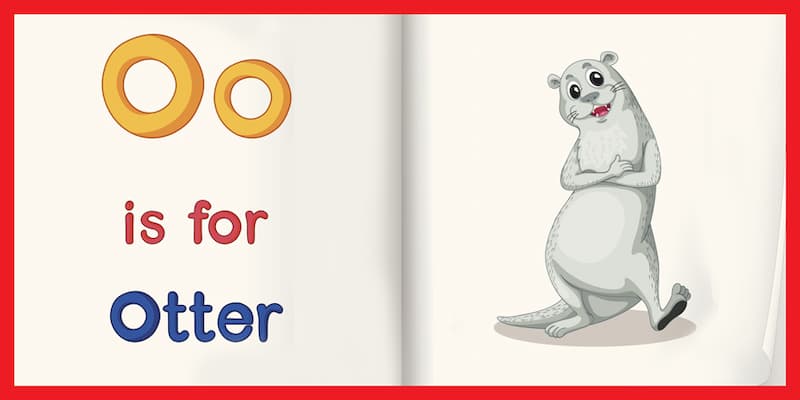
Short O Sound /ɒ/ or /ɑː/
One of the most common forms in the pronunciation of O is the short O sound. In many accents, this sound is /ɒ/ or /ɑː/.
The mouth opens slightly, the lips are relaxed, and the sound is short and clear.
Examples:
-
hot
-
box
-
dog
Long O Sound /oʊ/
Another important sound in the pronunciation of O is the long O sound /oʊ/. This sound begins with a rounded lip shape and ends with a slight glide.
The long O often appears in open syllables or words ending in silent “e”.
Examples:
-
go
-
home
-
note
O Sound /ʌ/ in Unstressed Syllables
In some words, the pronunciation of O changes to the /ʌ/ sound, especially in unstressed syllables.
This sound is short and relaxed, with the mouth slightly open.
Examples:
-
love
-
come
-
money
O as the /uː/ Sound
In certain words, the pronunciation of O takes the /uː/ sound. This sound is long, with rounded lips and steady airflow.
Examples:
-
move
-
do
-
who
Although the spelling includes O, the sound follows a different vowel pattern.
O in Diphthongs and Vowel Combinations
The pronunciation of O also appears in vowel combinations such as “oi” and “ou”, where the sound glides from one vowel to another.
Examples:
-
coin
-
boy
-
out
These combinations require smooth movement of the mouth to sound natural.
References: Ellii (formerly ESL Library)
Common Mistakes with the Pronunciation of O
Learners often struggle with the pronunciation of O because they use one sound for all words.
Common mistakes include:
-
Using short O instead of long O
-
Ignoring stress patterns
-
Mispronouncing unstressed syllables
Listening carefully and practicing different word groups helps prevent these errors.
Exercises: Practice the Pronunciation of O
Exercise 1: Match the Word with the Sound
Match each word to its correct O sound.
-
home
-
dog
-
love
-
move
Sounds:
a. /oʊ/
b. /ɒ/ or /ɑː/
c. /ʌ/
d. /uː/
Exercise 2: Choose the Correct Pronunciation
Choose the correct sound for the O in each word.
-
box
-
note
-
come
-
who
Exercise 3: Read the Sentences Aloud
Focus on the pronunciation of O in each sentence.
-
The old dog sleeps on the sofa.
-
Please open the door slowly.
-
She loves her new shoes.
Answer Key
Exercise 1:
1–a
2–b
3–c
4–d
Exercise 2:
-
/ɒ/ or /ɑː/
-
/oʊ/
-
/ʌ/
-
/uː/
Learn the Pronunciation of O with Monkey Junior and M-Speak
Mastering the pronunciation of O becomes much easier with guided practice and instant feedback. Monkey Junior provides a structured learning path that introduces vowel sounds gradually, from simple to complex patterns.
With M-Speak pronunciation scoring technology, learners receive real-time feedback on vowel length, mouth shape, and sound accuracy. This helps learners quickly identify mistakes and improve their pronunciation.
Monkey Junior also combines native-speaker audio, listening activities, speaking practice, and multiple supporting technologies into one complete learning system. The clear learning roadmap ensures steady progress and lasting results.

Start learning with Monkey Junior today to build strong English pronunciation skills with smart technology and effective guidance.
Conclusion
The pronunciation of O in English includes several vowel sounds, such as short O, long O, and other variations. By understanding these patterns and practicing regularly with Monkey Junior and M-Speak technology, learners can speak English more naturally, clearly, and confidently.