.png)
The pronunciation of U in English can be confusing because one letter can represent many different sounds. Learning these sounds clearly helps improve both speaking and listening accuracy.
What Is the Pronunciation of U in English?
Before practicing, it is important to understand that the pronunciation of U is not fixed. Depending on the word, stress, and surrounding letters, U can sound short, long, or even combine with other sounds.
The most common pronunciations of U in English include:
-
/ʌ/
-
/uː/
-
/ʊ/
-
/juː/
-
/ə/ (in unstressed syllables)
Recognizing these patterns helps learners read new words with confidence.
The /ʌ/ Sound in the Pronunciation of U
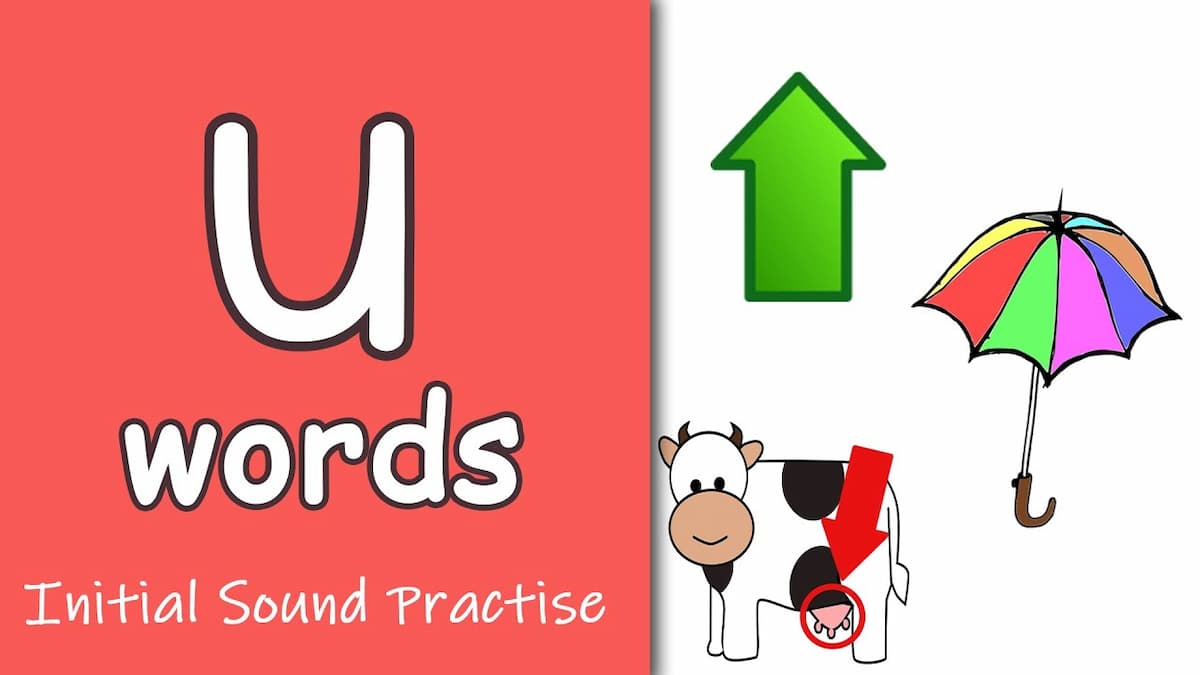
One very common form of the pronunciation of U is /ʌ/. This is a short vowel sound, produced with a relaxed mouth and tongue.
This sound often appears in stressed syllables of everyday words.
Examples:
-
cup
-
sun
-
fun
-
bus
Learners should avoid rounding the lips too much when making this sound.
The /uː/ Sound in the Pronunciation of U
The long /uː/ sound is another important type of pronunciation of U. It is pronounced with rounded lips and a longer vowel duration.
This sound often appears in open syllables or words borrowed from other languages.
Examples:
-
blue
-
true
-
rude
-
June
Holding the sound slightly longer helps make pronunciation clearer.
The /ʊ/ Sound in the Pronunciation of U
The /ʊ/ sound is shorter and more relaxed than /uː/. In the pronunciation of U, this sound often appears in closed syllables.
Examples:
-
put
-
full
-
push
-
pull
Learners often confuse /ʊ/ with /uː/, so careful listening is important.
The /juː/ Sound in the Pronunciation of U
In many words, especially at the beginning of words, the pronunciation of U includes a /j/ sound before /uː/.
This is known as the /juː/ sound.
Examples:
-
use
-
unit
-
music
-
student
This sound is common in British English and still appears frequently in American English.
The /ə/ Sound in Unstressed U
In unstressed syllables, the pronunciation of U may become /ə/, also known as the schwa sound. This sound is weak and quick.
Examples:
-
supply
-
support
-
medium
This pronunciation helps English maintain its natural rhythm.
Pronunciation of U in Common Letter Combinations
The pronunciation of U can change when combined with other letters.
Common patterns include:
-
UR: turn, burn (/ɜː/)
-
UE: blue, true (/uː/)
-
UI: fruit, juice (/uː/)
-
OU: young, touch (/ʌ/)
Learning these combinations helps learners decode unfamiliar words more easily.
References: Ellii (formerly ESL Library)
Common Mistakes with the Pronunciation of U
Many learners struggle with the pronunciation of U because spelling does not clearly show the sound.
Common mistakes include:
-
Confusing /ʌ/ and /uː/
-
Over-rounding the lips
-
Pronouncing unstressed U too strongly
-
Ignoring the /j/ sound in /juː/
Consistent listening and speaking practice reduces these errors.
Exercises: Practice the Pronunciation of U
Exercise 1: Identify the U Sound
Choose the correct pronunciation of U.
-
cup
-
blue
-
put
-
use
-
sun
-
student
Exercise 2: Match Words with Sounds
Match each word to /ʌ/, /uː/, /ʊ/, /juː/, or /ə/.
-
rude
-
bus
-
full
-
music
-
support
Exercise 3: Minimal Pair Practice
Read each pair aloud and notice the difference.
-
full – fool
-
pull – pool
-
cup – coop
-
luck – look
Exercise 4: Choose the Correct Word
-
He drank a ___ of tea. (cup / coop)
-
Please ___ the door. (pull / pool)
-
She studies ___ at school. (music / musick)
-
The bag is very ___. (full / fool)
Exercise 5: Sentence Practice
-
The student used a blue pen.
-
The sun was bright this morning.
-
Please put the book on the table.
-
She will support her friend.
-
This fruit is very juicy.
Answer Key
Exercise 1:
-
/ʌ/
-
/uː/
-
/ʊ/
-
/juː/
-
/ʌ/
-
/juː/
Exercise 2:
-
/uː/
-
/ʌ/
-
/ʊ/
-
/juː/
-
/ə/
Exercise 4:
-
cup
-
pull
-
music
-
full
Improve the Pronunciation of U with Monkey Junior and M-Speak
Mastering the pronunciation of U becomes much easier with clear structure and real-time feedback. Monkey Junior provides a well-designed learning path that guides learners from basic vowel sounds to advanced pronunciation patterns.
With M-Speak pronunciation scoring technology, learners receive instant evaluations of vowel accuracy, mouth shape, and sound length. This allows learners to identify mistakes and correct them immediately.
Monkey Junior also integrates native-speaker audio, listening practice, speaking drills, and interactive lessons. Multiple supporting technologies ensure learners follow a clear roadmap and build strong pronunciation skills step by step.

Start learning with Monkey Junior today and improve your pronunciation of U with confidence and accuracy.
Conclusion
The pronunciation of U in English includes several sounds such as /ʌ/, /uː/, /ʊ/, /juː/, and /ə/. By understanding these patterns and practicing regularly with Monkey Junior and M-Speak technology, learners can speak more clearly, naturally, and confidently in English.