

.png)
The ability to pronounce ed in English correctly is one of the most confusing yet essential skills for English learners, especially when using past tense verbs or past participles. Even advanced students often struggle because ed doesn’t always sound the same. But once you understand the core rules, you’ll speak more clearly and confidently.
Why Pronounce Ed in English Is Important
The -ed ending appears in thousands of English words, especially past tense verbs and adjectives. Mispronunciation can cause misunderstandings, even among native speakers. Correct pronunciation improves:
-
Speaking clarity and fluency
-
Listening comprehension
-
Exam performance (IELTS, TOEFL, Cambridge English exams)
-
Professional communication skills
Understanding the rules of pronunciation is essential because English spelling does not always indicate pronunciation.
The Three Rules to Pronounce Ed in English
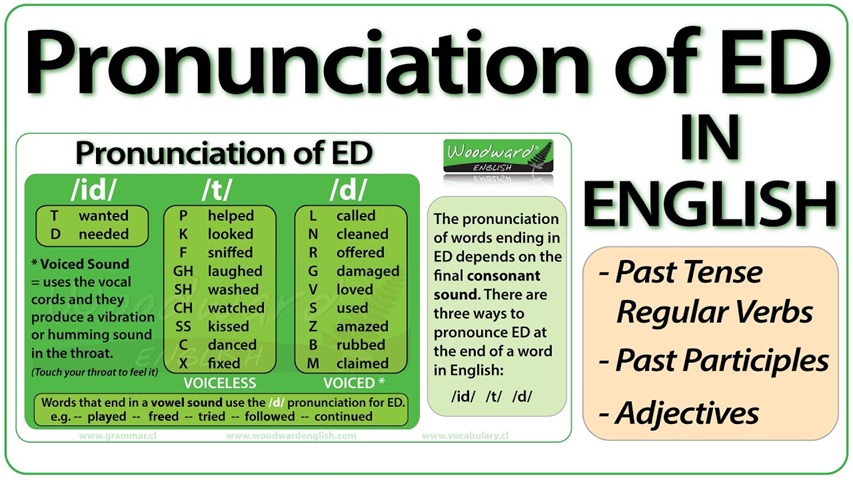
The correct sound depends on the sound that comes before the -ed ending, not the spelling itself.
1. /ɪd/ — When the Base Word Ends in /t/ or /d/
If the base word ends with /t/ or /d/, the -ed ending adds an extra syllable, pronounced /ɪd/.
Examples:
|
Base Verb |
Pronunciation |
|
wanted |
/ˈwɒn‑tɪd/ |
|
needed |
/ˈniː‑dɪd/ |
|
decided |
/dɪˈsaɪdɪd/ |
|
started |
/ˈstɑːr‑tɪd/ |
|
waited |
/ˈweɪ‑tɪd/ |
Tip: When pronouncing /ɪd/, make sure to clearly add the extra syllable. Skipping it can confuse listeners.
2. /t/ — After Voiceless Consonant Sounds
If the word ends in a voiceless consonant (no vocal cord vibration), pronounce ed as /t/. Voiceless sounds include: p, k, f, s, sh, ch, th (as in thanks).
Examples:
|
Base Verb |
Pronunciation |
|
walked |
/wɔːkt/ |
|
laughed |
/læft/ |
|
helped |
/helpt/ |
|
wished |
/wɪʃt/ |
|
watched |
/wɒtʃt/ |
Tip: Make sure the /t/ sound is crisp but short; do not add an extra vowel after it.
3. /d/ — After Voiced Sounds
If the word ends in a voiced sound (vocal cords vibrate), pronounce ed as /d/. Voiced sounds include vowels and consonants: b, g, l, m, n, r, v, z.
Examples:
|
Base Verb |
Pronunciation |
|
played |
/pleɪd/ |
|
cleaned |
/kliːnd/ |
|
loved |
/lʌvd/ |
|
learned |
/lɜːrnd/ |
|
smiled |
/smaɪld/ |
Tip: Make sure the /d/ blends smoothly with the preceding sound. Over-pronouncing /d/ can make it sound unnatural.
Common Mistakes When Learners Pronounce Ed in English
Before practicing, it helps to know the most frequent mistakes. Learners often:
-
Adding an extra syllable when not needed
-
Using /t/ or /d/ incorrectly due to spelling confusion
-
Assuming ed is pronounced the same in all words
It is important to remember that the sound matters more than the spelling.
Listening and Pronunciation Exercises
Practice is key to mastering ed pronunciation. Here are effective exercises:
Listening practice: Use resources like BBC Learning English or YouTube pronunciation videos to hear correct -ed endings in context.
-
Repetition drills: Group words by /ɪd/, /t/, /d/ sounds and repeat each 5–10 times.
-
Recording yourself: Compare your pronunciation with native speakers.
-
Sentence practice: Use past tense verbs in sentences instead of isolated words.
Grouped examples for practice:
-
/ɪd/: wanted, needed, decided, started, waited
-
/t/: walked, laughed, helped, watched, wished
-
/d/: played, cleaned, loved, learned, smiled
Sentence practice: “He decided to start a new project last week.” → /hi dɪˈsaɪdɪd tuː stɑːrt ə njuː ˈprɒdʒekt læst wiːk/
Conclusion
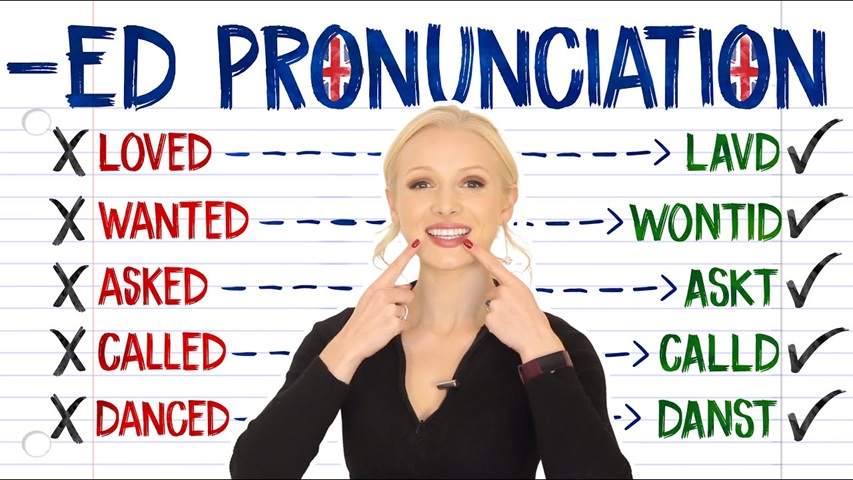
Mastering how to pronounce ed in English may seem difficult at first, but once you understand the three rules — /ɪd/, /t/, and /d/ — you will notice significant improvements in your spoken English. Focus on the final sound of the word before the ed ending, not the spelling, and practice with real examples. Consistent practice will help you sound more natural, fluent, and confident when speaking English.